
Hybrid Mediation & Reconciliation
Integrating traditional governance, religious legitimacy and modern mediation for credible outcomes.
PRINCIPLE 01
State primacy
We support, not replace, state authority.
PRINCIPLE 02
Community ownership
Communities lead, solutions are locally owned.
PRINCIPLE 03
Hybrid mediation
Traditional systems, religious jurisprudence and modern practice together.
PRINCIPLE 04
Regional harmonization
Bridging ECOWAS and AES through shared learning.
Hybrid Mediation & Reconciliation
About this program:
Many disputes are best resolved by people the parties already trust.
Our hybrid mediation blends traditional systems, religious jurisprudence and modern mediation practice. Combining them gives outcomes credibility with the communities affected and with the institutions that must uphold them.
Reconciliation and confidence building are central to our non-kinetic engagement, which complements legitimate state-led security operations. This approach reflects the wisdom we draw on: we combine traditional wisdom, religious legitimacy and modern expertise.
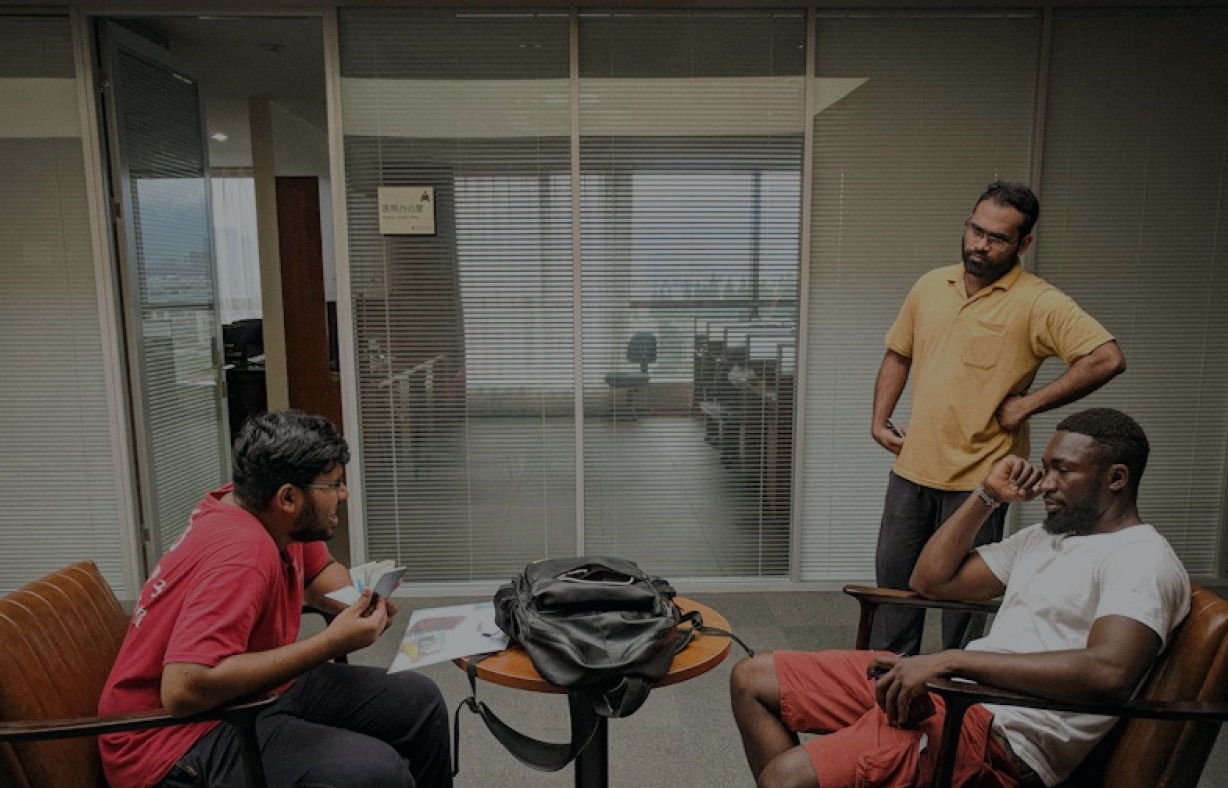
In practice (illustrative example) A mediation process may be led jointly by a respected traditional or religious figure and a trained mediator, working with the parties and with the local authority. The agreement reached carries the weight of both local legitimacy and professional process.
Key points
- Traditional governance, religious legitimacy and modern mediation together
- Outcomes that are credible to the people affected
- Reconciliation and confidence building
- Complements legitimate security efforts
Preventing conflict, reconciliation, confidence building and community stabilization.
Expected impact: Stronger trust between states and communities. Improved governance and social inclusion.
Stay informed